Thinking about a Glen Arbor getaway that pays for itself? With beaches, dunes, and wine country nearby, this corner of Leelanau draws steady vacation demand. If you are considering part-time owner use with short-term rentals, you need a plan that fits the seasons, local rules, and the guest experience. In this guide, you will learn when bookings peak, which amenities matter most, how to budget and operate, and the due-diligence steps that protect your investment. Let’s dive in.
Glen Arbor demand at a glance
Glen Arbor sits between Glen Lake and Lake Michigan, minutes from Sleeping Bear Dunes. That setting creates a strongly seasonal vacation market focused on beach time, boating, hiking, fall color, and tastings at nearby wineries. Visitors are mostly domestic leisure travelers, families, small groups, and more remote workers who want scenic stays.
Peak season runs from mid-June through Labor Day, with July and August strongest. You can expect the highest nightly rates and shorter minimum stays in these months. Week-to-week turnover is common for family vacations.
Shoulder seasons include late May to early June and September to October. Demand remains meaningful on weekends and holidays. Rates and occupancy dip from summer, but longer weekend stays and adult getaways are attractive.
Low season spans November through April. Weekday demand is limited, though some guests come for quiet winter retreats and snow recreation. Occupancy and rates are lower unless your property targets niche winter interests.
Holiday weeks and local events can create short booking spikes. Plan your owner time around those windows to protect revenue.
What this means for your calendar
- Open summer availability early and set clear minimums for weeklong stays.
- In spring and fall, try flexible check-in days and 2 to 3-night minimums to capture weekend demand.
- In winter, consider monthly or multi-week pricing, or lean into niche offerings like hot tubs or nearby snow access if your property supports it.
Features that drive bookings
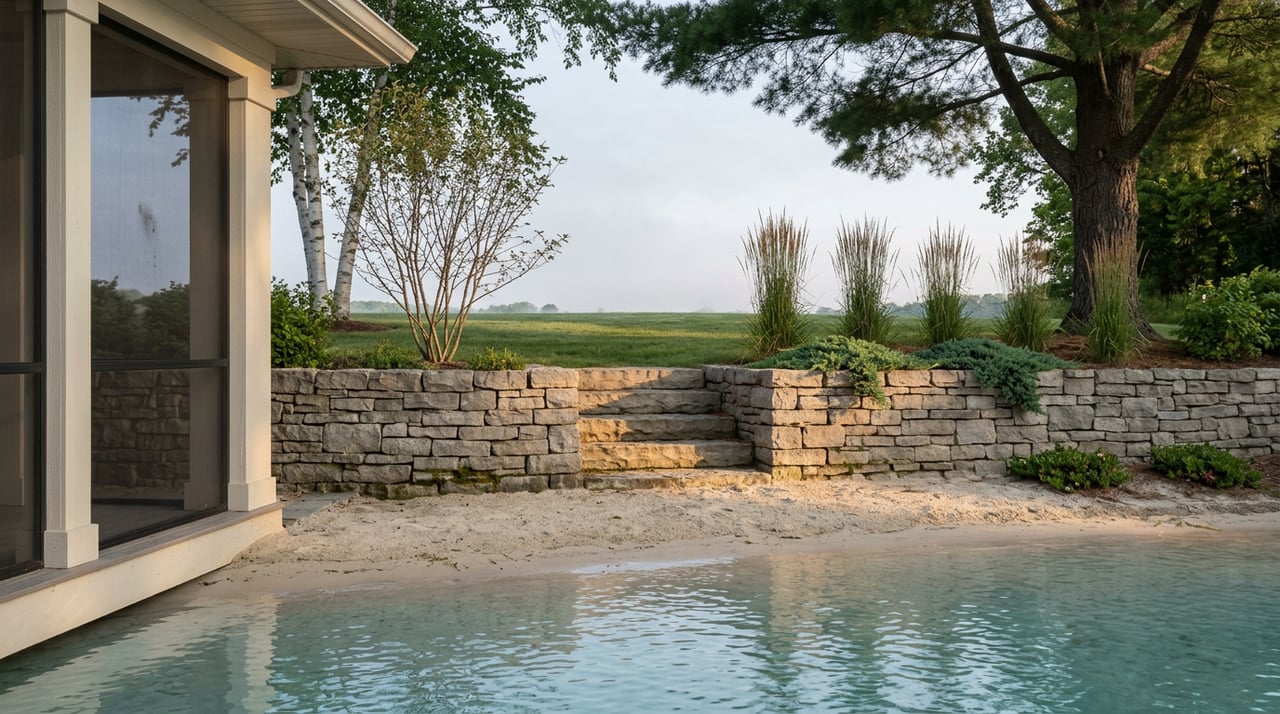
In Glen Arbor, location near the water is the top value driver. Properties that are lakefront or a short walk to beaches tend to see stronger demand.
High-impact features include:
- Proximity to water and, if applicable, a private dock or easy beach access.
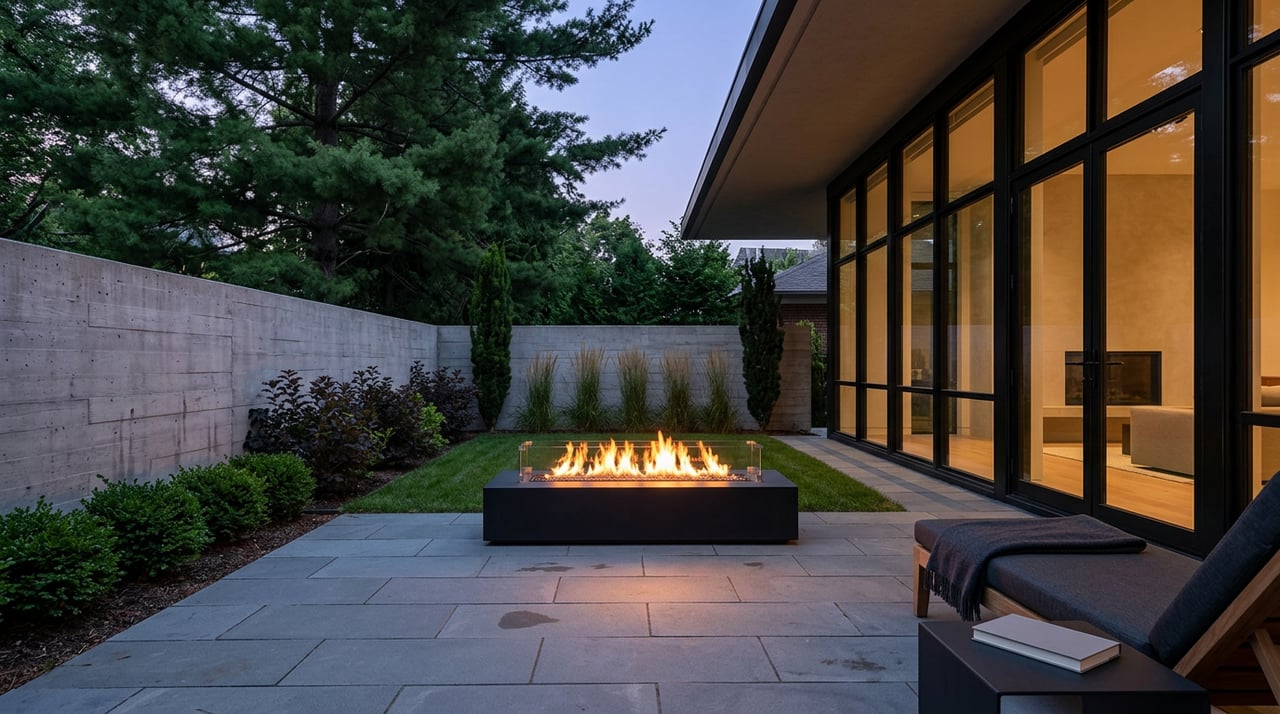
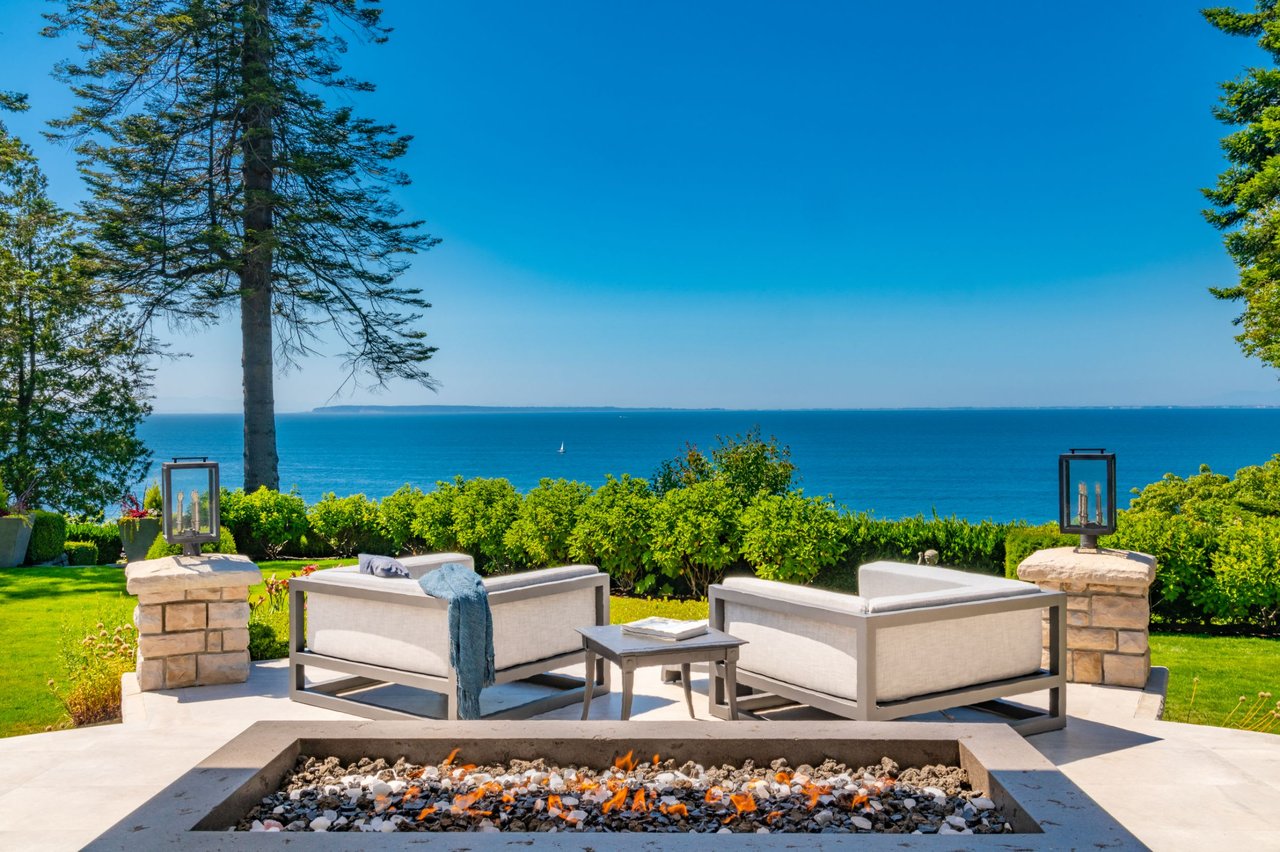
- Outdoor spaces like a deck, firepit, and seating that extend the living area.
- Ample off-street parking for families and small groups.
- Reliable Wi-Fi for remote work and streaming.
- A smart bedroom-bathroom mix. One bathroom per 2 to 3 guests supports comfort and reviews.
- A clean, well-equipped kitchen and in-home laundry for weeklong family stays.
- Air conditioning for summer and reliable heating plus winterization for cold months.
- A thoughtful, clearly stated pet policy if you choose to allow pets.
Amenities that set you apart
Secondary features can help you stand out:
- Hot tub, if you are prepared for added maintenance and insurance.
- Secure storage for gear, kayaks, bikes, or paddleboards.
- Garage space for gear or winter access.
- Professional photography, a polished listing, and hospitality touches like starter supplies and a local guide.
- Local partnerships for experiences, such as boat rentals or tastings.
Presentation and guest experience
- Use clear, accurate photos that show views, water access, and outdoor spaces.
- Provide a detailed house manual with check-in and check-out, local rules, emergency contacts, trash schedules, and activity tips.
- Respond quickly to guest questions and consider flexible check-in when possible. Small service touches often drive 5-star reviews and repeat stays.
What it takes to run a rental
Operating a short-term rental has moving parts. Decide whether you will self-manage, hire a local manager, or use a hybrid approach.
Ongoing responsibilities include:
- Reservations, guest communication, and reviewing inquiries.
- Turnover cleaning, linens, and restocking essentials.
- Routine maintenance for HVAC, plumbing, septic, yard, and shoreline care.
- Seasonal tasks like winterization, spring reopening, and driveway snow removal.
- House rule enforcement, guest screening, and handling damage claims or deposits.
Typical recurring costs
Budget for the following so your pro forma reflects reality:
- Cleaning per turnover, which varies by size and local rates.
- Utilities such as electricity, water, propane or heat, and internet. Expect higher winter costs and summer spikes from heavy use.
- Property management fees if you hire a manager. Full-service options commonly run about 15 to 35 percent of rental revenue depending on scope.
- Platform and payment processing fees.
- Insurance premiums for short-term rental coverage, which are often higher than standard homeowner policies.
- Repairs, routine maintenance, and a reserve for capital items.
- Local lodging or occupancy taxes where applicable, plus waste disposal and septic pumping.
- Marketing costs if you plan a direct-booking channel.
Staffing options
- Self-management gives you control and can improve net income. You will need reliable local cleaners and contractors.
- Full-service management handles bookings, turnovers, and guest support. This is useful if you live out of the area.
- A hybrid approach keeps bookings and finances in your hands, with local vendors for cleaning and emergencies.
Rules, taxes, and protection
Local rules vary by township, condo community, and even proximity to protected shoreline areas. Confirm your specific property’s requirements early.
Key areas to check:
- Township ordinances in Glen Arbor Township and any relevant neighboring township. Some municipalities require registration or licensing, safety checks, occupancy limits, and parking rules for short-term rentals.
- HOA or condominium bylaws. Many communities set minimum stays, require owner registration, or prohibit rentals.
- National and state park considerations near Sleeping Bear Dunes. Parking, beach access, and environmental protections may affect guest behavior and street parking.
- Waste, septic, and well rules through the local health department, especially septic capacity for your maximum guest count.
Taxes to plan for
- Local lodging or transient occupancy taxes may apply. Registration and remittance are often required.
- Michigan state sales or lodging tax obligations may apply to short-term rentals.
- Report rental income on federal and state returns. Mixed personal and rental use has specific IRS rules for deductions and depreciation.
- Property tax considerations for second homes can differ from primary homes. Contact the local assessor about taxable value impacts.
Insurance and safety
- Standard homeowner policies often exclude short-term rentals. Obtain specialized short-term rental or landlord coverage with solid liability limits.
- Consider an umbrella liability policy for added protection.
- Understand the limits of platform-based host protection versus dedicated insurance.
- Install and test smoke and carbon monoxide detectors, keep fire extinguishers accessible, and document safety checks.
Build your Glen Arbor pro forma
Since Glen Arbor is highly seasonal, model revenue month by month rather than using a flat annual average. Gather:
- Average Daily Rate and occupancy by month.
- Minimum stay patterns by season.
- Comparable listings by size, proximity to water, and amenities.
- Seasonal utility variance and operating costs, including winter heating and snow removal.
Use conservative estimates. Include vacancy, management fees, cleaning, maintenance reserves, insurance, taxes, and platform fees. Calculate your break-even occupancy so you can weigh owner-use weeks without undermining your targets.
Due-diligence checklist
Use this step-by-step process before you buy or list:
Verify zoning and permits
- Contact the township clerk for current short-term rental rules. Ask about registration, occupancy caps, parking, and enforcement.
Confirm HOA or condo rules
- Review all bylaws for rental restrictions, minimum stays, and application steps.
Map tax obligations
- Check county and state lodging or occupancy tax rules, registration, and remittance procedures. Confirm any sales or use tax requirements.
Build a market and revenue model
- Pull 12-month comps for ADR, occupancy, and seasonality from trusted market tools and platforms. Create a conservative pro forma with all operating costs.
Inspect property systems
- Order a full home inspection focusing on roof, HVAC, electrical, septic capacity and condition, and well water. Verify driveway and parking adequacy.
- Schedule a septic inspection and review service history. Increased rental use can require more frequent pumping.
- Confirm internet provider options and run an onsite speed test.
Price insurance
- Obtain quotes for dedicated short-term rental insurance and umbrella liability. Review exclusions and safety equipment requirements.
Line up operations
- Identify cleaners, handypeople, septic and well services, snowplow, and landscapers. Confirm availability for peak season and backups for emergencies.
Plan your listing and policies
- Choose platforms, set minimum stays by season, define check-in and check-out, and decide your pet policy.
- Draft a house manual, emergency plan, and local recommendations.
Set up records and compliance
- Prepare a system to track income, expenses, and occupancy tax remittances. Define guest screening, damage deposits, and a clear cancellation policy.
Respect community and environment
- Educate guests on noise, parking, trash schedules, and dune and shoreline protections. Clear guidance helps protect the area and your reviews.
Smart guest policies for this market
- Set weeklong minimums in July and August if your comps support it, then ease to 2 to 3 nights in spring and fall.
- If you allow pets, charge a pet fee and set cleaning standards. Provide clear rules to manage wear and tear.
- In winter, arrange timely snow removal and verify safe access. Share driveway and road details in your listing and pre-arrival notes.
- Cap occupancy to match septic capacity and parking. Post rules that reflect township and HOA limits.
Your next step
With a clear plan, a Glen Arbor vacation home can deliver both lifestyle and income. Start with the due-diligence list, model seasonality month by month, and line up your local team before peak season. If you want a seasoned partner who knows Northern Michigan’s waterfront and vacation markets, we are here to help you evaluate properties, navigate rules, and launch with confidence.
Ready to explore Glen Arbor opportunities and a rental strategy that fits your goals? Request a Private Consultation with Angela Mia DiLorenzo.
FAQs
When is peak booking season in Glen Arbor?
- Mid-June through Labor Day is the peak, with July and August strongest. Spring and fall are meaningful on weekends, while winter is quieter unless you target niche demand.
What amenities matter most near Glen Lake and Lake Michigan?
- Proximity to water, outdoor living spaces, reliable Wi-Fi, air conditioning, multiple bathrooms, and a clean kitchen and laundry are top drivers of bookings and reviews.
Do I need permits or registration for a Glen Arbor short-term rental?
- Many townships require registration or licensing, safety checks, and rules on occupancy and parking. Contact the township clerk and review HOA or condo bylaws before buying.
How should I budget for management and cleaning?
- Management fees commonly range about 15 to 35 percent of rental revenue depending on services. Cleaning costs vary by home size and local rates and should be included per turnover in your pro forma.
Do I need special insurance for short-term rentals?
- Yes. Standard homeowner policies often exclude short-term rental activity. Obtain dedicated short-term rental or landlord coverage and consider an umbrella liability policy.