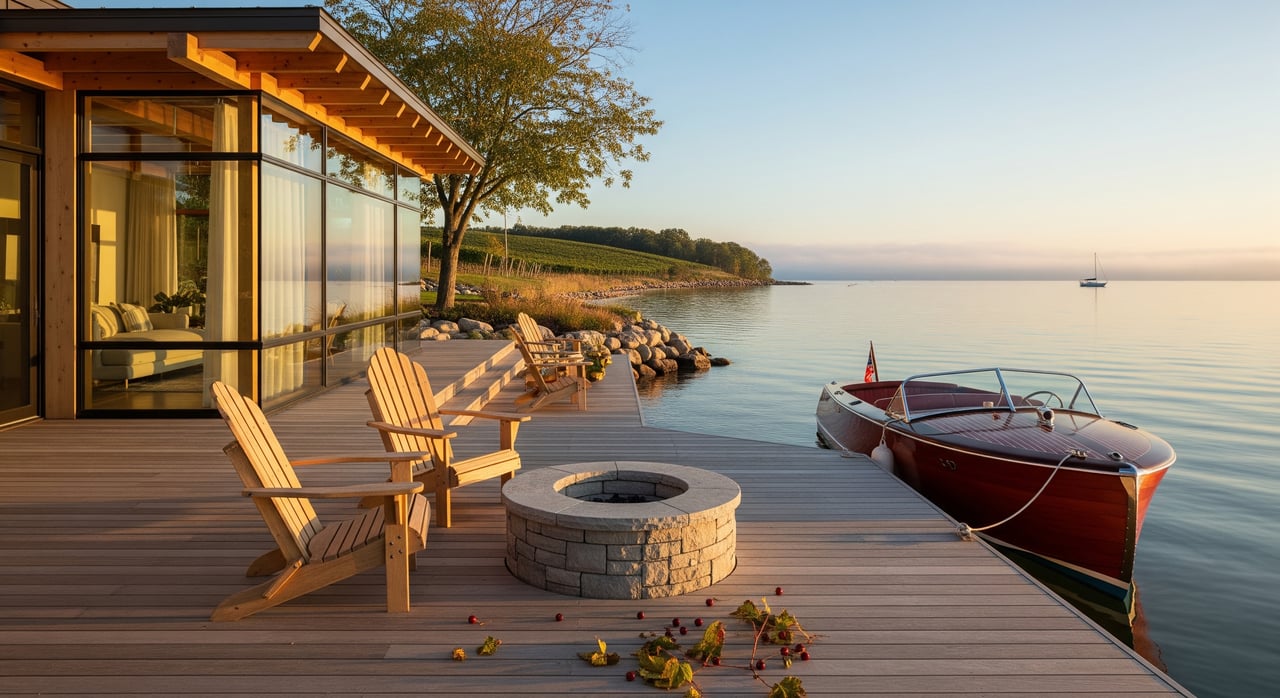
Imagine sipping coffee on your dock while the bay wakes up, or taking a quiet snowshoe along a frozen shoreline. If you are weighing a lakefront or near-water home in Traverse City, you want to know not just prices, but how life actually feels here month to month. In this guide, you will see what each season brings, which areas of Grand Traverse fit different lake lifestyles, and the practical steps that help you buy with confidence. Let’s dive in.
Spring on the water
Weather and daylight
By March, snow begins to melt and days stretch out. Mornings stay cool, with a steady warm-up into late spring. By May, daytime highs commonly move into the 50s and 60s. You will feel the shift in light and energy around the lakes each week.
Lake life and activities
Shorelines thaw, and lake levels can be higher from runoff. The water stays cold for swimming, so this is a better time for boating with layers, paddling near shore, and long walks along the beach. Trails reopen, bikes come out of storage, and neighborhood docks start to go back in. You will spot anglers and early paddlers taking advantage of calm mornings.
Events and crowds
Cherry blossoms typically pop in April and May, making scenic drives on area peninsulas a favorite. Farmers’ markets begin to return, and small art and wine events start to appear on calendars. Weekdays stay quiet, while weekends grow busier as tourism ramps up late in the season. It is a sweet spot for peaceful town visits and first looks at properties.
Resident insights
This is the time for spring cleanup, scheduling dock work, and commissioning your boat. If you are new to lake ownership, plan your service calendar early. Expect more roadside activity as crews work and visitors start returning. If you are shopping, spring showings give you a feel for shoulder-season quiet with growing energy.
Summer in full swing
Weather and daylight
Summer brings warm, sunny days and long evenings. Daytime highs commonly sit in the upper 70s to low 80s, with plenty of light for boating after dinner. Outdoor living becomes your daily rhythm.
Lake life and activities
This is peak water time. You will see swimmers, paddleboarders, sailors, and cruisers across West and East Grand Traverse Bays and on inland lakes. Public beaches like Clinch Park buzz with activity, and marinas fill. Private docks stay busy from morning coffee to sunset swims.
Festivals and dining
Summer is festival season. The National Cherry Festival typically lights up July, and food and wine events add to the downtown energy. Restaurants, patios, and tasting rooms are lively. It is a fun time to host family and friends, or to try out a downtown condo with walkable access to the beach.
Crowds and daily rhythm
Tourism peaks in June through August, so plan for more traffic and busier weekends, especially around holidays. Services run normally, but restaurant waits and marina demand increase. Many second-home owners spend extended stays in July and August, making the most of long days on the water.
Fall, the quiet golden season
Weather and daylight
Temperatures cool and daylight shortens, but the color show is real. Foliage across the Old Mission and Leelanau peninsulas draws many visitors in September and early October. Evenings feel crisp, and you will start to layer up again on evening boat rides.
Lake life and activities
It is harvest time in wine country. You can expect relaxed wine tours, scenic bike rides, and quiet marinas compared to midsummer. Hiking and paddling remain popular on clear days. As fall progresses, you will shift toward prepping docks and boats for winter.
Events and pace
The Traverse City Film Festival typically runs in early fall, alongside harvest and wine events. After the leaves drop, crowds thin out noticeably. Property tours can be ideal now, with softer light and easier parking. If you value peace and space, this shoulder season is a favorite.
Resident insights
Late fall is for winter prep. You will winterize boats, secure shoreline items, and plan for snow removal. It is also a good time to evaluate insulation and heating before the cold sets in. Buyers see yards and shorelines clearly before snow arrives, which helps with due diligence.
Winter, serene and snow-bright
Weather and daylight
Winter brings cold, snow, and shorter days. Lakes and bays can develop ice, though conditions vary by lake and year. Snowy landscapes create striking water views from a cozy living room.
Recreation and lifestyle
This is your season for cross-country skiing, snowshoeing, snowmobiling, and winter hikes. Sleeping Bear Dunes in winter is a standout for quiet exploration. Downtown’s cultural life continues, with theaters, museums, and restaurants operating on a more relaxed pace.
Community rhythm
The year-round community is at the core of winter life. Some shops and restaurants reduce hours or close seasonally, but essentials remain available. You will want a plan for heating costs, snow removal, and safe access to your home during storms.
Resident insights
Expect to winterize exterior features and monitor shoreline ice. Ice conditions are never guaranteed, so always follow local advisories. Winter showings reveal how a home performs under real cold. If you are deciding on a purchase, these visits are invaluable.
Lakefront living basics
Water settings and access types
- Great Lakes shoreline: Traverse City fronts West Bay and East Bay, both part of Grand Traverse Bay on Lake Michigan. You get a big-water feel with beaches, marinas, and quick city access.
- Inland lakes and rivers: Torch Lake, Elk Lake, Lake Leelanau, the Boardman River, and smaller lakes each offer distinct character. Torch Lake is known for clear, deep water, while riverfront life offers a slower, nature-forward pace.
- Access forms: Options include direct private shoreline, deeded access, shared community beaches, and proximity to public parks and launches. Your daily experience depends on which access type you choose.
Permits and shoreline rules
- Docks and shoreline work: Many projects require permits. Check with Michigan’s Department of Environment, Great Lakes, and Energy, and your local township or city for specifics.
- Riparian rights: Waterfront owners generally have rights to access and reasonable use of the water, but terms vary by deed and local rules. Verify details during review.
- Erosion and ice: Shorelines on the bays and Lake Michigan can face erosion or ice shove in some years. Stabilization solutions, like riprap or vegetation buffers, often need review and permits. Plan ahead to protect your shoreline.
- Water quality: Be aware of invasive species such as zebra and quagga mussels or Eurasian watermilfoil. Local watershed councils and conservation districts are helpful resources for best practices.
Utilities, septic, wells, and winter access
- Many lake homes use private wells and septic systems. Inspect and budget for maintenance or upgrades as part of your offer strategy.
- Power can go out during winter storms. Confirm generator readiness, driveway access, and service contracts for snow removal.
- Insurance varies. Ask your carrier about coverage related to ice damage, erosion, and sewer backups. Flood insurance depends on FEMA zone mapping for each property.
Marinas, boat launches, and mooring
- You will find municipal docks in Traverse City and private marinas throughout the region, with larger marinas also in nearby towns.
- Slips and storage are in demand. Waitlists are common, and services operate seasonally from roughly May to October. Confirm availability before you buy if boating is central to your lifestyle.
Neighborhood fits near the water
Downtown Traverse City and Clinch Park
- Fit: You like a walkable lifestyle with quick access to restaurants, shops, the State Theatre, and farmers’ markets.
- Feel: Urban small-city energy in summer, with year-round cultural options and convenient services.
- Water: Easy access to public beaches, city docks, and boat launches. Expect more public activity and less private shoreline.
Old Mission Peninsula and East Bay
- Fit: You value vineyard views, scenic drives, and quieter rural waterfront living.
- Feel: A countryside rhythm with wineries and farm roads, and longer drives to downtown.
- Water: Shoreline along Old Mission and East Bay offers smaller bays, private docks in some areas, and a celebrated wine region setting.
Leelanau Peninsula, Suttons Bay, and Torch/Elk Lake corridor
- Fit: You want deep-water lakes, resort-town amenities, and a strong second-home market.
- Feel: Winery culture and farm-to-table options, quieter outside high season and festivals.
- Water: Torch Lake is known for striking turquoise water and active boating. Expect a mix of private estates and shared-access communities.
West and South Grand Traverse suburbs
- Fit: Areas like Acme and Garfield appeal if you want near-water living with suburban convenience.
- Feel: Modern subdivisions, services, and shorter commutes to downtown Traverse City.
- Water: Lake views in spots and quick access to bays and inland lakes without being directly on the shoreline.
Rural inland and riverfront parcels
- Fit: You seek privacy, nature access, and riverfront life along places like the Boardman River.
- Feel: Quiet year-round with strong outdoor access, including trails and wildlife.
- Water: Secluded stretches of water and forested acreage. Plan for winter road maintenance and service access.
Buying timing, rentals, and upkeep
When to shop
- Spring and summer bring the most listings and comparison traffic. You will compete more, but preview more options.
- Fall often offers motivated sellers and easier scheduling. The light is great for showings, and the pace is calmer.
- Winter showings reveal insulation, heating performance, and access realities. Visiting in each season gives you a full picture before you buy.
Short-term rentals
- Demand is strong in summer for properties near water and downtown.
- Rules vary by municipality and HOA. Review regulations for Traverse City, Peninsula Township, and county jurisdictions, plus tax and permit requirements.
Seasonal maintenance
- Plan for boat commissioning and winterization, dock removal and reinstallation, and shoreline care.
- Budget for lawn and tree work, septic inspections, and routine system service.
- In winter, factor in heating costs, roof and driveway snow management, and contractor availability.
Schools, healthcare, and services
- Multiple public school districts serve the region, with assignment based on township and address. Private options operate as well.
- Traverse City offers regional healthcare services, with the major hospital and many providers in town. Certain specialists may require travel to larger cities.
Safety essentials
- Ice conditions vary by lake and year. Always consult local advisories before stepping onto ice.
- Follow Michigan boating rules, maintain life jackets, and schedule seasonal safety checks.
- Local clubs and watershed councils are helpful for community connections and shoreline stewardship.
Ready to explore homes?
Lake life in Traverse City is four distinct chapters that add up to one rewarding year. If you picture summer swims, quiet fall evenings, winter trails, and spring blossoms, you will find your rhythm here. The right home and shoreline type will make all the difference in daily life.
If you want a clear plan to match your lifestyle with the right bay, lake, or neighborhood, connect for tailored guidance. Angela Mia DiLorenzo and our boutique team specialize in waterfront and lifestyle properties across Grand Traverse. Request a Private Consultation to map your search with confidence.
FAQs
What is lake life like in Traverse City each season?
- Expect active summer water time, colorful and quieter fall weeks, serene winter landscapes with snow sports, and a fresh, warming spring with blossoms and reopening trails.
Do Grand Traverse bays freeze in winter?
- Large bays can partially freeze depending on the year, but conditions vary by lake and season. Always check local ice advisories before going onto ice.
When is the best time to buy a lakefront home?
- Many buyers favor spring or fall for inspections and calmer schedules, while winter showings reveal cold-weather performance. Visit in more than one season if you can.
How seasonal is Traverse City for daily life?
- June through August are the busiest months with festivals and tourism. Spring and fall feel balanced and relaxed, while winter centers on year-round residents with some seasonal closures.
Which areas fit year-round living versus a summer base?
- Downtown and nearby suburban areas offer the most year-round services and shorter commutes. Peninsulas and remote lakefronts are popular for summer or seasonal stays.
Do I need a permit for a dock or shoreline work?
- Most dock installations and shoreline modifications require permits and reviews. Check with Michigan EGLE and your local township or city before starting any project.
What should I know about wells and septic at lake homes?
- Many waterfront properties use private wells and septic systems. Include inspections and plan for maintenance or upgrades as part of your purchase strategy.