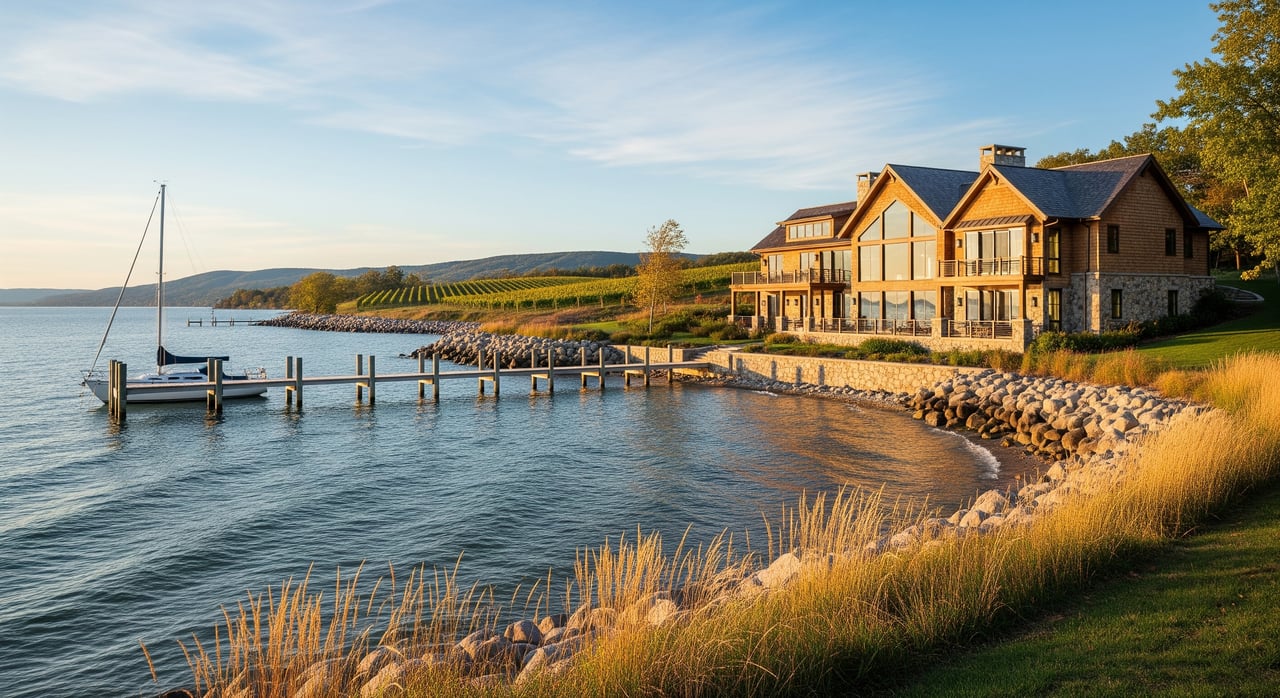
Understanding the Cost to Own Suttons Bay 49682 Homes
January 15, 2026
January 15, 2026
What does it really cost to own a home in Suttons Bay beyond the list price? If you are considering a second home in 49682, it pays to plan for fixed bills, seasonal maintenance, and winter care before you buy. With a clear budget, you can enjoy the lifestyle you want without surprises. This guide walks you through the true, recurring costs of ownership in Suttons Bay and how to estimate them for any property. Let’s dive in.
Property taxes in Leelanau County are based on local millage rates applied to the assessed value. Rates vary by township, schools, and special districts, so use the current tax bill for the specific parcel rather than statewide averages. Ask the seller for two years of tax bills and check for any special assessments. You can also confirm parcel history with the county treasurer or assessor.
Insurance on a second home often costs more than a primary residence, especially if the property sits vacant for stretches. Ask a local agent about a secondary or seasonal policy, vacancy clauses, and any requirements for monitored alarms or minimum heat settings. Waterfront or near-water locations may merit flood insurance, even if not required by a lender. Review FEMA flood maps, elevation, and any prior flood or wind claims before finalizing coverage.
Some Suttons Bay neighborhoods and condo developments have association dues. These can cover items like private road plowing, landscaping, docks, pier management, common-area insurance, and reserves. Instead of relying on averages, review the HOA budget, recent meeting minutes, and any reserve study. Ask about rules for short-term rentals and whether special assessments are pending.
Expect seasonal swings, especially if you heat with electric or run hot tubs and electric water heaters. During due diligence, request 12 months of electric bills. Ask which provider serves the address and what rate class applies.
Many homes on the Leelanau Peninsula use propane or fuel oil where natural gas lines are not available. If the property uses delivered fuel, ask for recent delivery receipts, tank size, and whether there is a pre-buy or fixed-price plan. Homes with heat pumps can lower costs, but performance depends on system type and winter temperatures. Confirm if there is a dual system with propane or electric backup.
Parts of the village have municipal water and sewer, billed monthly or quarterly. Many rural homes use private wells and septic systems. Plan for routine septic maintenance and a pump-out every 3 to 5 years, depending on usage. Ask for well yield data, any treatment or filtration, and dates of last inspections.
Service can be township managed, privately contracted, or handled at local drop-off sites. If the home is seasonal, ask for flexible service options so you do not pay for months you are not there.
Coverage varies by street. Options may include cable, DSL, fixed wireless, or satellite. Address-specific checks are important, especially if you plan to work from the home or stream frequently. Rural addresses may pay a premium for higher-speed service.
A useful rule of thumb is to set aside 1 to 3 percent of the home’s value each year for maintenance and repairs. For a second home that sits vacant at times, consider 2 to 4 percent. Increase your reserve if systems are older or if the property is waterfront.
Ask for the age and service history of the roof, HVAC, water heater, septic, well, and appliances. If key systems are near end of life, add a capital reserve. Waterfront properties may also require shoreline, dock, or seawall maintenance as ongoing line items.
If you will be away for extended periods, decide whether to maintain a low heat setting or fully winterize and drain the plumbing. Keeping minimal heat preserves systems but raises utility costs. Full winterization reduces energy use but requires de-winterizing before you return. Choose the approach that matches your occupancy pattern and your insurer’s requirements.
Install remote thermostats and water leak sensors to catch problems early. Insurers may offer guidance or discounts for monitored systems. Arrange for reliable snow removal so emergency services and caretakers can access the property after storms.
Many policies limit coverage if a home is unoccupied beyond a set number of days. Clarify in writing what your policy requires, including any caretaker visits, heat settings, or alarm monitoring. Waterfront homes should be reviewed for flood and wind coverage needs.
Bayfront or near-water homes can face additional insurance requirements, plus potential costs for shoreline vegetation, seawalls, docks, and pier maintenance. Review flood maps and any shoreline erosion history for the parcel.
Outside village service areas, septic and wells are common. Keep up with routine maintenance and plan for eventual replacement risk. Ask for records of inspections and any past repairs.
Natural gas lines do not reach every road on the peninsula. If natural gas is not available, plan a heating budget for propane or fuel oil with seasonal price swings.
Leelanau contractors book early from spring through fall. Winter emergency work is harder to schedule and can cost more. Line up vendors for snow removal, winter checks, and spring opening well in advance.
If you plan to rent seasonally, review township rules, licensing, and any occupancy taxes before you buy. Confirm association rules on rentals and whether they impact your plans or budget.
Every property in Suttons Bay is unique, especially when you factor in waterfront exposure, heating fuel, and seasonal use. If you want a precise, property-specific budget, ask for tax bills, utility histories, HOA documents, insurance quotes, and recent service invoices during due diligence. A clear plan lets you enjoy your time up north without financial surprises.
If you are exploring second-home options in 49682 or nearby lake communities, connect with Angela Mia DiLorenzo for a private, local-first consultation. You will get candid guidance on true ownership costs, seasonal strategies, and the best steps to protect your lifestyle investment.
Stay up to date on the latest real estate trends.








The most rewarding moments are when we have achieved your real estate goals.
ANGELA MIA DILORENZO
630 E Front St., Unit 200 Traverse City, MI 49686