When to Sell a Glen Arbor Vacation Home for Best Results
July 2, 2026
July 2, 2026
If you own a vacation home in Glen Arbor, timing your sale is not just about picking a month on the calendar. It is about matching your listing to a highly seasonal market, presenting the property in a way that speaks to second-home buyers, and pricing it with discipline from day one. When you get those pieces right, you give your home the best chance to stand out in a premium market. Let’s dive in.
Glen Arbor is not a typical year-round market. The area draws more than a million visitors each year, with the busiest stretch tied to summer travel, while the township has about 900 year-round residents and a seasonal population of about 5,000.
That seasonal rhythm shapes how buyers experience the market. Many shoppers first discover the area while visiting Sleeping Bear Dunes National Lakeshore and nearby attractions, and National Park Service data shows visitation peaks in July and August. In 2024, traffic reached 476,291 visits in July and 434,979 in August.
That does not mean summer is always the best time to hit the market. In fact, if you wait until peak crowds arrive, you may miss the cleaner runway that spring can offer for photography, launch strategy, and early buyer attention.
For most Glen Arbor vacation homes, the strongest strategy is to prepare in late winter and list in spring. Realtor.com’s 2026 Best Time to Sell report identified April 12 through 18 as the best national listing window, with 16.7% more views, homes selling about nine days faster, and median listing prices about $26,000 above January levels.
For Glen Arbor, that timing lines up well with local seasonality. If your home is ready before the main summer visitor surge, you can reach buyers as interest builds without forcing your launch into the busiest part of the year.
This matters even more because many sellers do not need a long prep window. Realtor.com found that 53% of sellers take one month or less to prepare, so if you start planning in late winter, you may still be positioned well for a spring debut.
A smart working timeline often looks like this:
Glen Arbor sits in a premium slice of the Leelanau County market, and that makes pricing especially important. Realtor.com places Glen Arbor’s median listing price at $1.185 million, with 21 active listings and a median 62 days on market.
By comparison, Leelanau County had 291 active listings, a median listing price of $785,000, a median 47 days on market, and a 96% sale-to-list ratio in May 2026. Those numbers suggest buyers are active, but they are also paying attention to value.
In a market like this, overpricing can cost you early momentum. A vacation home should be priced from recent comparable sales and current market conditions, not from what you spent acquiring, updating, or furnishing the property.
Vacation homes sell differently from primary residences because buyers are often shopping for both a property and a lifestyle. They are not just asking whether the home works. They are asking how it feels to spend a summer week there, host family, or enjoy the shoreline.
That is why preparation should focus on both condition and experience. Your goal is to make the home feel cared for, easy to enjoy, and worth a premium look.
Seasonal homes can develop small issues that leave a big impression. According to NAR guidance, odors, moisture, dripping faucets, and creaky floorboards can quickly turn into a buyer’s mental repair list.
If your Glen Arbor home sits vacant for part of the year, pay close attention to signs that suggest deferred maintenance. The house should feel dry, aired out, tidy, and clearly maintained before it ever goes live.
A strong pre-list check should include:
Presentation has a measurable impact. NAR’s 2025 Profile of Home Staging found that 83% of buyers’ agents said staging makes it easier for buyers to visualize the property as a future home.
The same report noted that buyers were expected to view a median of 20 homes virtually versus 8 in person. That makes your photos, layout flow, and visual first impression especially important in a destination market where many buyers begin from out of town.
The most commonly staged rooms were:
For a Glen Arbor vacation home, these spaces often carry the emotional story of the property. They should feel calm, bright, and uncluttered, with an emphasis on comfort and easy gathering.
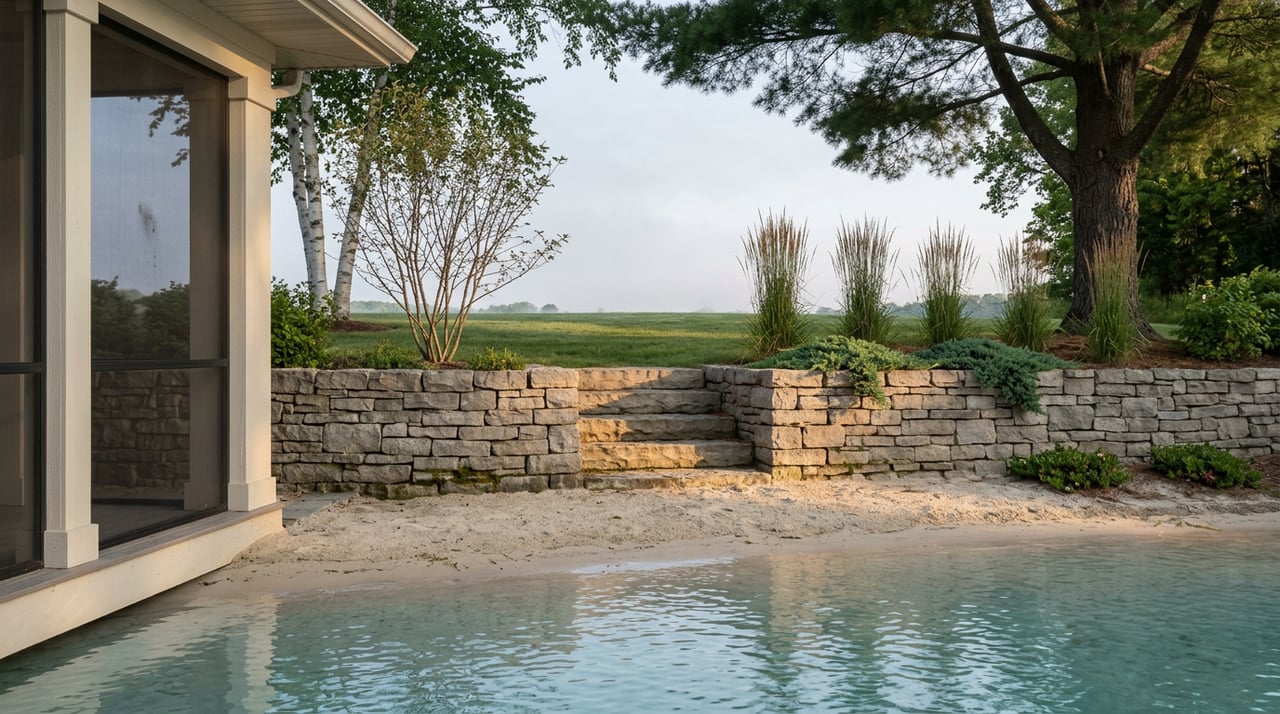
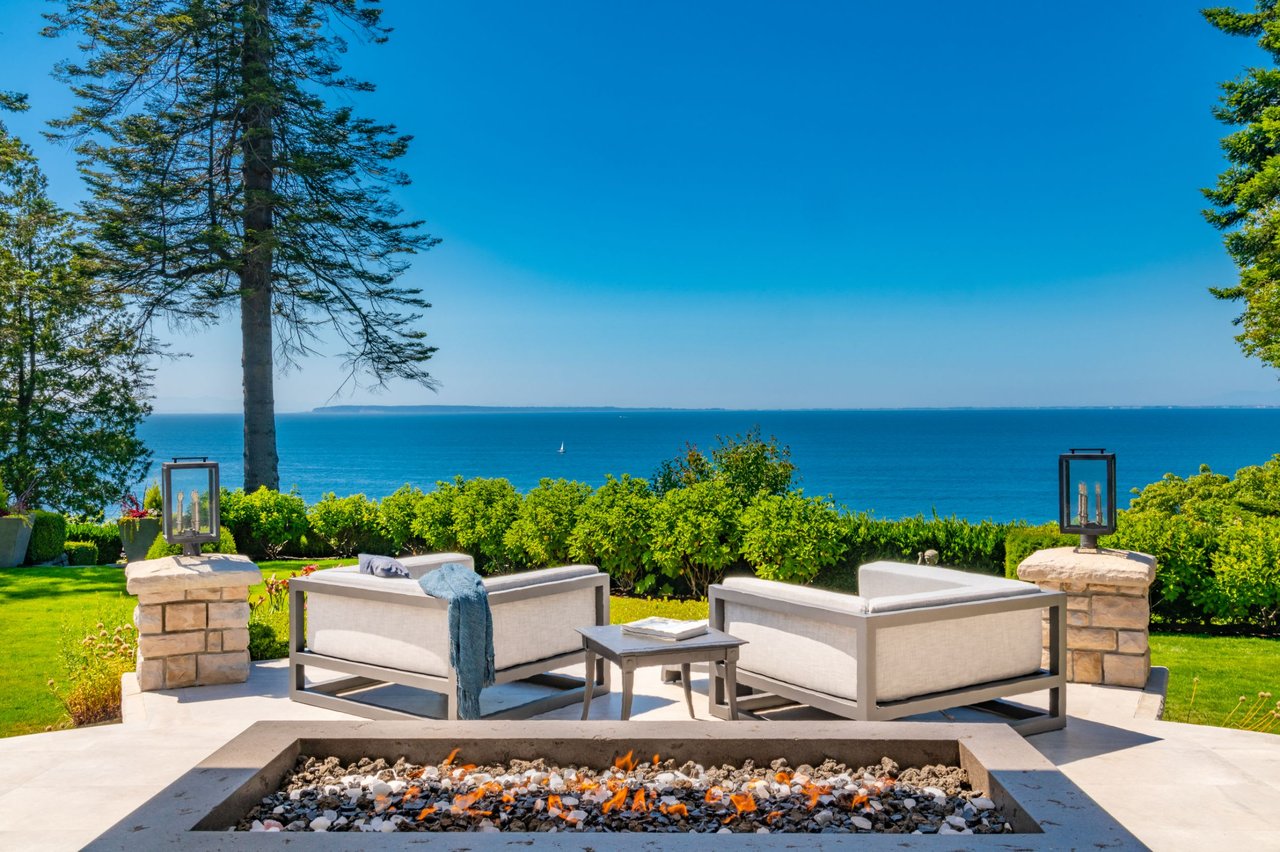
In Glen Arbor, exterior lifestyle features are often part of the value story. NAR’s outdoor staging guidance recommends creating clear seating, dining, and social zones so buyers can picture how the space is used.
That means decks, patios, docks, fire pits, and shoreline-facing areas should not be treated as afterthoughts. They should be cleaned, styled, and photographed as usable living space.
A few high-impact outdoor details include:
Peak season visibility can help attract attention, but it can also create logistical challenges. Glen Arbor’s visitor activity is concentrated from May through November, and summer crowds can make parking and access less predictable.
Because of that, an appointment-based strategy often works better than relying heavily on open houses during peak weekends. Weekday tours, pre-booked showing windows, and clear parking instructions can create a smoother experience for both you and potential buyers.
This is especially helpful if you are a part-year owner managing the property from a distance. A more structured showing plan protects the home, reduces stress, and helps serious buyers experience it more comfortably.
A smooth sale depends on more than pricing and presentation. It also depends on getting your paperwork ready early, especially for older or seasonal properties.
Michigan’s Seller Disclosure Act requires sellers to provide the statutory Seller’s Disclosure Statement for the property. Under the law, failure to provide a signed disclosure can allow a purchaser to terminate an otherwise binding purchase agreement.
If your home was built before 1978, federal law also requires disclosure of known lead-based paint hazards and delivery of the EPA/HUD lead-hazard pamphlet before sale. For many Glen Arbor vacation homes, it makes sense to assemble disclosures well before listing so there is time to review repair history, seasonal systems, and any prior water-intrusion issues.
If you want the short version, here it is: prepare early, launch in spring, present the home as a lifestyle property, and price it carefully. In Glen Arbor, those four moves often matter more than chasing the peak of summer traffic.
This market rewards thoughtful execution. With a premium property, strong visuals, disciplined pricing, and an organized showing plan, you can meet buyers where their interest starts and keep your listing competitive once it goes live.
If you are thinking about selling a Glen Arbor vacation home, a tailored plan can make a meaningful difference. For private guidance on timing, pricing, and positioning your property for the right buyer, connect with Angela Mia DiLorenzo.
Stay up to date on the latest real estate trends.

The most rewarding moments are when we have achieved your real estate goals.
ANGELA MIA DILORENZO
630 E Front St., Unit 200 Traverse City, MI 49686