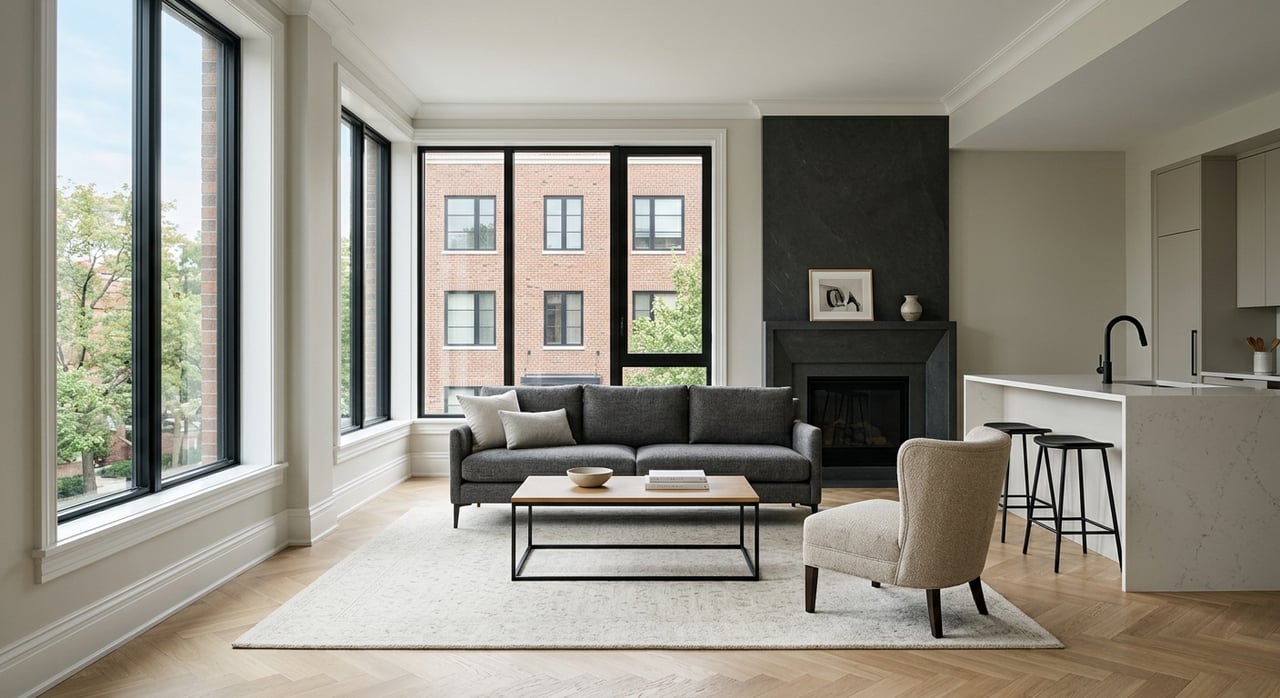
Are Downtown Traverse City Condos Right for Lock-and-Leave Living?
May 28, 2026
May 28, 2026
Looking for a home you can enjoy without taking on a long maintenance list every time you arrive? Downtown Traverse City condos can be a smart fit if you want easy access to the bay, restaurants, shops, and trails in a setting built for simpler ownership. If you are weighing a second home, seasonal retreat, or low-maintenance primary residence, this guide will help you understand what makes downtown condo living appealing and what details deserve a closer look before you buy. Let’s dive in.
Downtown Traverse City offers a rare mix of convenience and lifestyle. The city sits on both East and West Grand Traverse Bay, and the Boardman River runs through the downtown area. You also have access to more than 200 locally owned businesses and more than 50 restaurants, which supports a walkable, active daily routine.
For many buyers, that is the heart of lock-and-leave living. You can arrive for a weekend or an extended stay and spend less time coordinating yard work, exterior upkeep, and long drive times. Instead, you can focus on the things that likely drew you to Traverse City in the first place, like waterfront access, dining, and getting around on foot or by bike.
The city’s public investment also matters. The Downtown Development Authority focuses on infrastructure, mobility, access, historic preservation, and added residential and retail capacity. That points to a downtown area designed to keep evolving as a mixed-use district rather than standing still.
A downtown Traverse City condo is not just a smaller housing option. In many cases, it is a premium urban-waterfront product with a different value story than condos elsewhere in the city. According to Redfin data in the research report, downtown Traverse City condos had a median listing price of $1.18 million, compared with $550,000 for the broader Traverse City condo market.
That pricing gap matters because it tells you downtown is its own submarket. Buyers are often paying for location, proximity to the bay, walkability, building style, and ease of ownership as much as they are paying for square footage. In other words, two condos with similar bedroom counts can feel very different in value depending on where they sit, how the building functions, and what the ownership rules allow.
City planning material also supports the idea that downtown housing will continue to include mixed-use development. One current west-end project includes retail or commercial space on the first floor with residential units above, and the DDA’s 2030 vision calls for more residential and retail capacity downtown. If you like the energy of an active district, that can be a plus.
When you shop for a downtown condo, the details that shape daily use often matter more than the basic floor plan. A beautiful unit can still be the wrong fit if the building does not support the way you plan to live in it.
Here are some of the most important features to compare:
For lock-and-leave buyers, these practical points usually carry as much weight as finishes or bedroom count. The goal is not just to buy a nice space. The goal is to buy a property that feels easy to own.
One reason downtown Traverse City stands out is how directly it connects urban living with the water. Clinch Park Beach sits on West Grand Traverse Bay and includes the municipal marina. The TART Trail also runs through the park toward the west end of the city, adding another layer of convenience for buyers who want easy, active access without needing to drive everywhere.
That kind of proximity can change how you use the property. You may be able to walk to the waterfront in minutes, meet friends for dinner, or hop on the trail for a ride without much planning. For second-home owners especially, that ease can make shorter stays feel fuller and more relaxing.
Downtown parking is more manageable than many buyers expect, but it is still something to study carefully. The city reports more than 3,000 vehicular parking spaces downtown, along with more than 125 bicycle parking locations. That supports a more flexible, car-light lifestyle for many owners.
Still, the rules matter. Overnight street parking is not allowed in the downtown area, garages are the main overnight option, and winter surface-lot parking may be towed for snow removal. If you plan to arrive seasonally or leave a vehicle downtown for stretches of time, understanding the building’s parking setup is essential.
A good question to ask is simple: What does parking look like on my most inconvenient day? Think late-night arrival, winter weather, extra guests, or a busy weekend. The answer can tell you a lot about whether a building truly supports lock-and-leave living.
If boating is part of your Northern Michigan lifestyle, downtown can be very appealing. Clinch Marina is city-owned and operated, and it gives downtown owners close proximity to the bay. That said, condo ownership does not automatically include a boat slip.
The city states that the marina generally operates from May 15 to October 20. Seasonal slips are waitlisted because demand is high, and transient tie-up is limited to two free hours for shopping or dining when space is available. Seasonal slip holders do receive parking passes, but slip access is separate from the condo purchase itself.
That means boat access should be treated as its own research track. If a slip is important to you, confirm marina timing, availability, and backup plans before you assume the condo lifestyle will cover that need.
If you are buying a Michigan condo, the condo documents are one of the most important parts of your decision. Michigan’s Condominium Buyer’s Handbook says buyers should receive the recorded master deed, purchase agreement and escrow agreement, the handbook, and a disclosure statement that includes an itemized association budget.
You should also know that the association must maintain a reserve fund for major repairs and replacement equal to at least 10% of the annual budget on a non-cumulative basis. The state also notes that monthly fees and assessments are liens on the unit. In practical terms, that means your ownership costs do not disappear just because you use the condo only part of the year.
The association must keep current copies of the master deed, amendments, and other condo documents available to buyers and co-owners. Since Michigan also states there is no government agency that regulates condo associations, the master deed and bylaws become your practical rulebook. That is why careful review matters so much.
A downtown condo can be wonderfully simple to own, but only if the documents match your expectations. Before you move forward, review these items closely:
This is where a polished showing experience turns into a real ownership decision. The unit itself may be beautiful, but the budget, reserves, and rules are what shape the long-term fit.
Many second-home buyers ask whether they can rent the condo when they are not using it. In downtown Traverse City, that question has two parts, and both matter.
First, the City of Traverse City requires a Vacation Home Rental license for properties rented for fewer than 30 consecutive days. Second, Michigan condo law allows condo documents to be amended as to rental or occupancy terms. So even if city licensing is possible, the condo association may still limit or prohibit the type of rental use you have in mind.
That is why “Can I rent it?” should never be answered casually. You need to confirm both the city requirement and the condo-document permission. For many buyers, that step can protect both expected income plans and peace of mind.
Downtown Traverse City condos make sense for buyers who want convenience, waterfront proximity, and a low-maintenance ownership model in a premium location. They can work especially well if you value being able to arrive, settle in quickly, and enjoy the city without managing a larger property.
At the same time, downtown condo ownership asks you to be disciplined about due diligence. HOA rules, reserve funding, parking logistics, marina access, and rental restrictions all affect how effortless the property will feel once you own it. The right condo can be an exceptional lifestyle fit, but the right fit comes from matching the building and documents to the way you actually plan to use the home.
If you are considering a downtown Traverse City condo for seasonal use, second-home ownership, or simplified full-time living, working with a local advisor can help you compare not just listings, but ownership realities. For tailored guidance on Traverse City lifestyle properties, connect with Angela Mia DiLorenzo.
Stay up to date on the latest real estate trends.

The most rewarding moments are when we have achieved your real estate goals.
ANGELA MIA DILORENZO
630 E Front St., Unit 200 Traverse City, MI 49686